How to Develop Intuition: Lessons From My Personal Journey
Intuition is, without a doubt, one of the most important skills I use to navigate the world. This inner wisdom has served me exceptionally well over the years, sometimes saving my butt with alarm bells, other times gently nudging me in a particular direction.
If I'm the CEO of my own self, intuition is my right-hand woman, sitting right next to me at the table.
Over the years, I've learned that developing intuition isn't necessarily about discovering something new. It's often about paying closer attention to something that's already there.
What Is Intuition, and How Does It Work?
Sometimes the messages I receive through my intuition are very clear. Other times, it's simply a feeling that something is off or not quite what it seems on the surface.
I've learned to trust these feelings, whether they're encouraging me to stay put, visit a particular place, contact someone, or keep my distance.
For me, intuition is like an inner GPS. The more I communicate with it, listen, ask questions, and pay attention to where it leads me, the stronger my connection to it becomes.
Of course, intuition isn't always easy to distinguish from fear, wishful thinking, or assumptions. That's why learning to recognize my own patterns and reflecting on past experiences have been important parts of my journey.
How to Develop Intuition in Everyday Life
After decades of listening to and strengthening my intuition, I've discovered that small, everyday practices can help us become more aware of our inner guidance.
Here are some of the ways I've learned to develop my intuition.
1. Make Time for Stillness
Life can be incredibly noisy. Between responsibilities, conversations, technology, and the constant stream of information around us, it's easy to lose touch with what we're feeling.
Taking a few quiet moments each day gives me space to notice what's happening internally.
That might mean sitting in silence, meditating, enjoying a cup of tea, or simply stepping away from distractions.
I find that when I slow down, I become more aware of the subtle feelings and thoughts that might otherwise go unnoticed.
2. Pay Attention to Your Gut Feelings
Intuition doesn't always arrive as a clear message.
Sometimes it's a strong feeling that something is right. Other times, it's a quiet hesitation or a sense that I should look more closely at a situation.
I've learned not to dismiss these impressions automatically.
Instead, I acknowledge them and ask myself what might be behind them.
Not every gut feeling is necessarily accurate, but paying attention to these experiences helps me better understand how I make decisions.
3. Ask Yourself Questions and Listen
One of the ways I connect with my intuition is by asking myself questions.
Sometimes the answer feels immediate. Other times, nothing particularly clear comes through.
And that's okay.
I've learned that not receiving a clear yes or no doesn't necessarily mean I need to force a decision. Sometimes I simply need more information or more time.
When that happens, I step away and return to the question later.
4. Reflect on Your Experiences
Looking back at situations where I followed, or ignored, my intuition has taught me a great deal.
Were there signs I noticed but dismissed? Did my initial impression turn out to be useful? Was I responding to intuition, fear, or something I already knew?
Reflecting on these moments helps me recognize patterns and become more thoughtful about the guidance I choose to follow.
Keeping a journal can also be a useful way to explore these experiences over time.
5. Practice Trusting Yourself
For me, learning how to develop intuition has also meant learning to trust myself.
That doesn't mean assuming every feeling is correct or ignoring practical information.
It means giving my inner voice a place in the conversation, alongside experience, reasoning, and the facts available to me.
The more I practice listening to myself, the more comfortable I become recognizing what feels meaningful and deciding when to act on it.
What I've Learned After Decades of Following My Intuition
After decades of honing my intuition, here's what I've come to believe:
- Intuition is something we can all explore and become more aware of.
- Some people seem naturally more attuned to their intuition, while others develop that awareness over time.
- Sometimes intuition feels very strong, while other times it's barely a whisper.
- For me, intuition is connected to deeper levels of awareness and consciousness.
- It can appear through feelings, instincts, impressions, and moments of unexpected clarity.
- It can influence both small everyday choices and major life decisions.
- Sometimes the absence of a clear answer is a reminder to wait, reflect, or gather more information.
Most importantly, I experience my intuition as a connection to a part of myself that sees beyond my immediate concerns.
It's like walking through a maze while having access to a bird's-eye view.
I don't always understand where that perspective comes from, but I've learned to value it.
In many ways, I think of intuition as a state of being, something we can become more connected to through awareness and intentional practice.
Creating Space for Intuition With Tea and Mindfulness
One of my favorite ways to create a moment of stillness is through the simple ritual of preparing and enjoying tea.
Taking time to brew a cup, notice its aroma, and enjoy each sip encourages me to slow down and become more present.
I've always been particularly drawn to organic mint tea, with its refreshing aroma and distinctive flavor.
Mint has a long history of use in herbal traditions, and I enjoy incorporating it into moments of reflection and meditation.
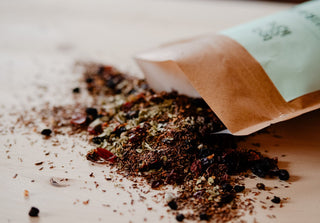
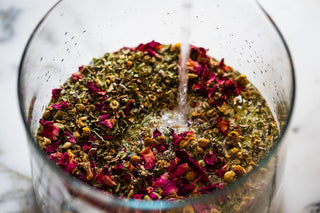
That connection between tea, mindfulness, and my personal experience with intuition inspired me to create a special organic mint tea blend.
For me, the value of this ritual isn't that tea magically provides answers. It's that taking a moment to pause can create space to listen to ourselves.
Your Intuition Is a Personal Journey
Learning how to develop intuition is an ongoing process.
I continue to discover new things about my own inner guidance, even after decades of paying attention to it.
Some days, the messages feel clear. Other days, I need to be patient, reflect, and allow things to unfold.
What matters most to me is maintaining that connection with myself and remaining open to what I might learn.
What about you? How do you experience your intuition, and what helps you connect with it?